The Silent Health Risks Cambodian Families Should Check Before Symptoms Appear
High blood pressure, diabetes and cholesterol problems can develop quietly. Learn what families can monitor, when to seek professional assessment and how ongoing care can help.
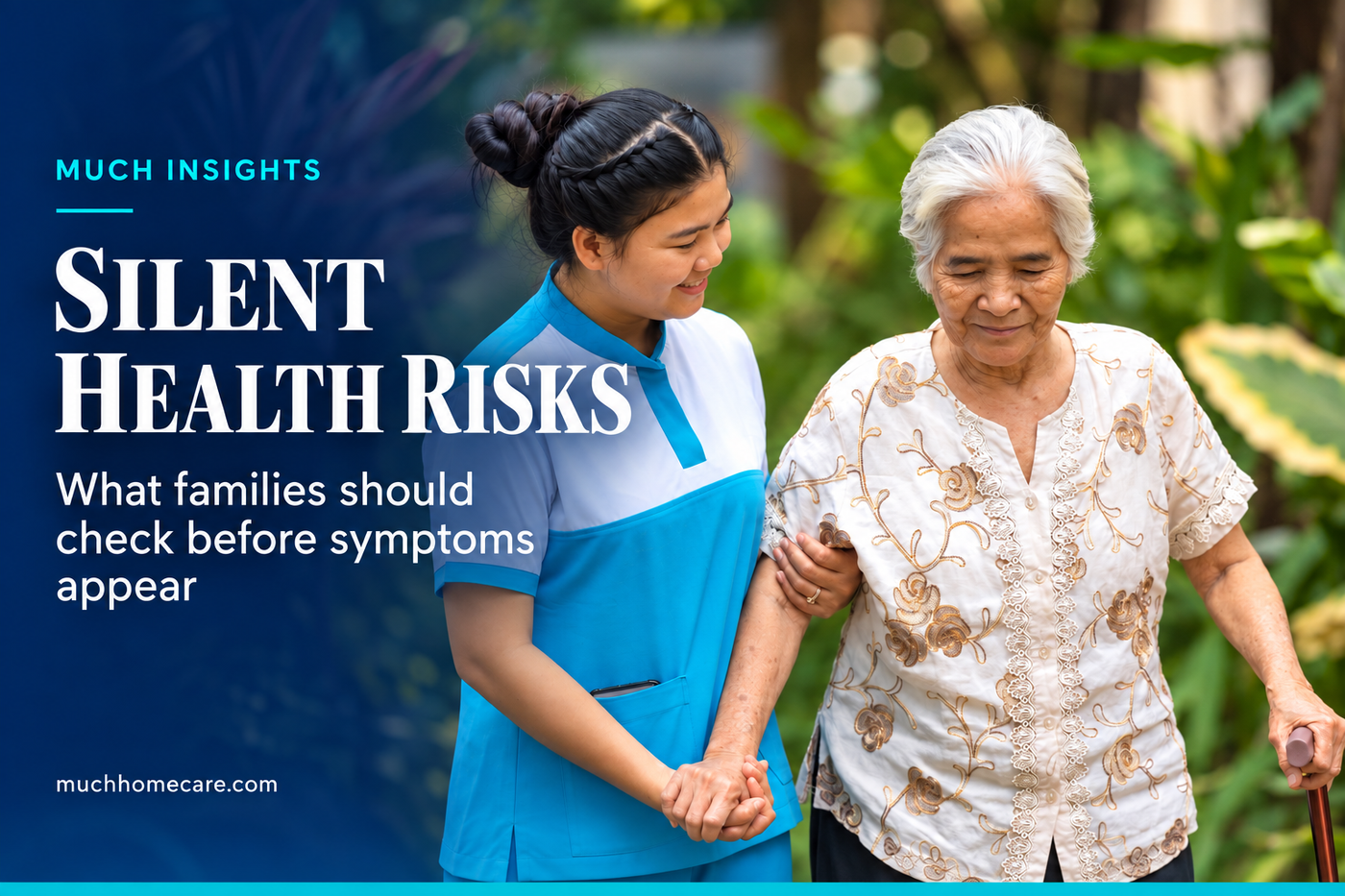
A person can feel well while their health is changing
Many families wait for obvious symptoms before arranging a medical assessment. That is understandable: when a parent is eating normally, talking comfortably and continuing their daily routine, there may appear to be no urgent reason for concern.
However, some of Cambodia’s most important health risks can develop quietly.
High blood pressure may not cause noticeable symptoms. Raised blood glucose can progress gradually. Cholesterol problems may remain unknown until a more serious cardiovascular event occurs. This is why routine monitoring matters even when an older family member says, “I feel fine.”
The World Health Organization reports that noncommunicable diseases such as cardiovascular disease, diabetes, cancer and chronic respiratory disease cause approximately 60,000 deaths annually in Cambodia. Cambodia’s 2023 STEPS survey found raised blood pressure in 17% of adults, while 6.3% had raised blood glucose or had already been diagnosed with diabetes.
These figures do not mean every person is in immediate danger. They show why families should treat prevention and early identification as part of ordinary healthcare.
Why these risks are easy to miss
A visible injury usually creates an obvious response. A person falls, experiences pain or develops a fever, and the family knows that something has happened.
Chronic conditions are different. Changes can occur slowly enough that the patient and family adapt without realizing that professional assessment is needed.
Families may notice small signs such as:
- Becoming tired more easily
- Walking less than before
- Dizziness or headaches
- Increased thirst or urination
- Changes in appetite or weight
- Swelling in the legs
- Difficulty remembering medication
- Shortness of breath during normal activities
- Slower recovery after minor illnesses
- Reduced balance or confidence when moving
These signs can have many possible causes. They should not be used to diagnose a condition at home. Instead, they can help a family recognize when it is time to request a medical assessment.
What a routine health assessment may include
A suitable assessment depends on the person’s age, medical history, medications and existing conditions. A doctor or qualified healthcare professional may consider several areas.
Blood pressure
Blood pressure can change over time and may be affected by medication, stress, activity and other health conditions. One unusual reading does not always establish a diagnosis, but consistently abnormal readings should be discussed with a healthcare professional.
If a family monitors blood pressure at home, it should use an appropriate device, follow the manufacturer’s instructions and record the results accurately. The readings should support a professional assessment—not replace one.
Blood glucose
Raised blood glucose may be related to diabetes or other medical factors. Testing and interpretation should follow professional guidance, especially when the person already takes diabetes medication.
Families should not independently change medication doses based on a single home reading unless a treating doctor has provided clear written instructions.
Cholesterol and cardiovascular risk
WHO’s reporting on the Cambodian STEPS survey found that 25.5% of adults had raised total cholesterol or were taking medication for it. The same report found that 12.5% of Cambodians aged 40–69 had at least a one-in-five chance of experiencing a heart attack or stroke within the following ten years.
A cardiovascular assessment may consider blood pressure, cholesterol, blood glucose, smoking, physical activity, diet, age, family history and existing medical conditions together. No single number tells the complete story.
Medication review
Older adults may receive medicines from different clinics or specialists. A medication review can help confirm:
- What each medicine is for
- When and how it should be taken
- Whether any doses have been missed
- Whether the patient is experiencing possible side effects
- Whether multiple prescriptions contain overlapping medicines
- Which doctor should be contacted before a change is made
Families should keep an updated medication list and bring it to appointments.
Mobility and daily function
Healthy ageing is not only about laboratory results. It is also about whether someone can move safely, eat well, communicate, manage daily activities and maintain meaningful relationships.
WHO’s integrated-care guidance encourages person-centred assessment that looks for changes in an older person’s physical and mental capacity, identifies social-support needs and supports a personalized care plan.
Changes in walking, balance, strength, memory, mood, vision, hearing or nutrition may therefore deserve attention alongside blood pressure and blood tests.
What families can monitor between professional visits
Families do not need to turn the home into a hospital. A simple and consistent record is usually more helpful than collecting large amounts of information without a clear purpose.
Depending on professional advice, a family record might include:
- Blood-pressure or blood-glucose readings
- Medication taken and any missed doses
- Appetite and fluid intake
- Sleep changes
- Pain or discomfort
- Walking and balance
- Swelling, wounds or skin changes
- New confusion or unusual behaviour
- Questions to discuss at the next appointment
Record the date and time and describe what happened plainly. Avoid making assumptions about the cause.
When a doctor, nurse and authorized family members can see the same information, it becomes easier to recognize patterns and make informed decisions.
Monitoring should lead to a care plan
Health checks are most useful when the results lead to appropriate follow-up.
A practical care plan may explain:
- What should be monitored
- How often monitoring is needed
- Who is responsible for each task
- Which medicines are prescribed
- When the next professional review should happen
- Which changes require an earlier consultation
- What the family should do in an emergency
Some older adults need only periodic reviews. Others may benefit from coordinated support involving a doctor, nurse, physiotherapist or caregiver.
The level of care should be based on assessed need. More care is not automatically better; the goal is the right care, delivered safely and respectfully.
Know the emergency warning signs
Home monitoring and scheduled home visits are not substitutes for emergency care.
Seek urgent hospital or emergency assistance for warning signs such as:
- Sudden weakness or numbness, especially on one side
- Sudden difficulty speaking or understanding speech
- New facial drooping
- Chest pain or pressure
- Severe difficulty breathing
- Fainting or loss of consciousness
- Sudden severe confusion
- A sudden, unusually severe headache
- A seizure
- Uncontrolled bleeding
Do not wait for a routine appointment when a serious or rapidly worsening symptom appears.
A good conversation can begin before a crisis
Families do not need to wait until a parent becomes seriously unwell to discuss future care. Start with respectful questions:
- What health concerns are most important to you?
- Which daily activities are becoming more difficult?
- Who should receive health updates?
- Which clinic or doctor currently manages your medication?
- Would receiving some care at home make appointments easier?
- What would help you feel safer while remaining independent?
These conversations protect the older person’s voice and allow the family to prepare together.
Preventive care is not about creating fear. It is about replacing uncertainty with useful information, professional guidance and a plan.
For families who need support, MUCH provides Doctor Home Visits, Home Nursing Care and the ElderlyCarePlus Membership. Every service should begin with an appropriate assessment, and availability should be confirmed with the MUCH care team.
Medical note: This article provides general education and does not replace individualized medical advice, diagnosis or emergency care.